
 By adbbrainwars
Kitchen surfaces fail in the wet corners first
Renovation boards fill with marble-look photos, then the real kitchen fails at the sink splash zone, the stove edge, and the floor by the fridge. Heat, oil, and standing water test materials harder than a showroom spotlight. Start with how you cook and clean, then shortlist surfaces that match that abuse pattern. Include the helper who actually wipes counters after dinner in that conversation.
Budget discipline still applies. Construction-material guidance from CIDB Malaysia helps you separate must-have surface upgrades from nice-to-have pendant lights. Slip awareness from HSE slips and trips guidance is relevant wherever floors stay wet. Broader product greening ideas from EPA greener products overview can frame questions about recycled content and indoor air claims without treating any brochure as certified proof.
Countertops and sintered stone slabs
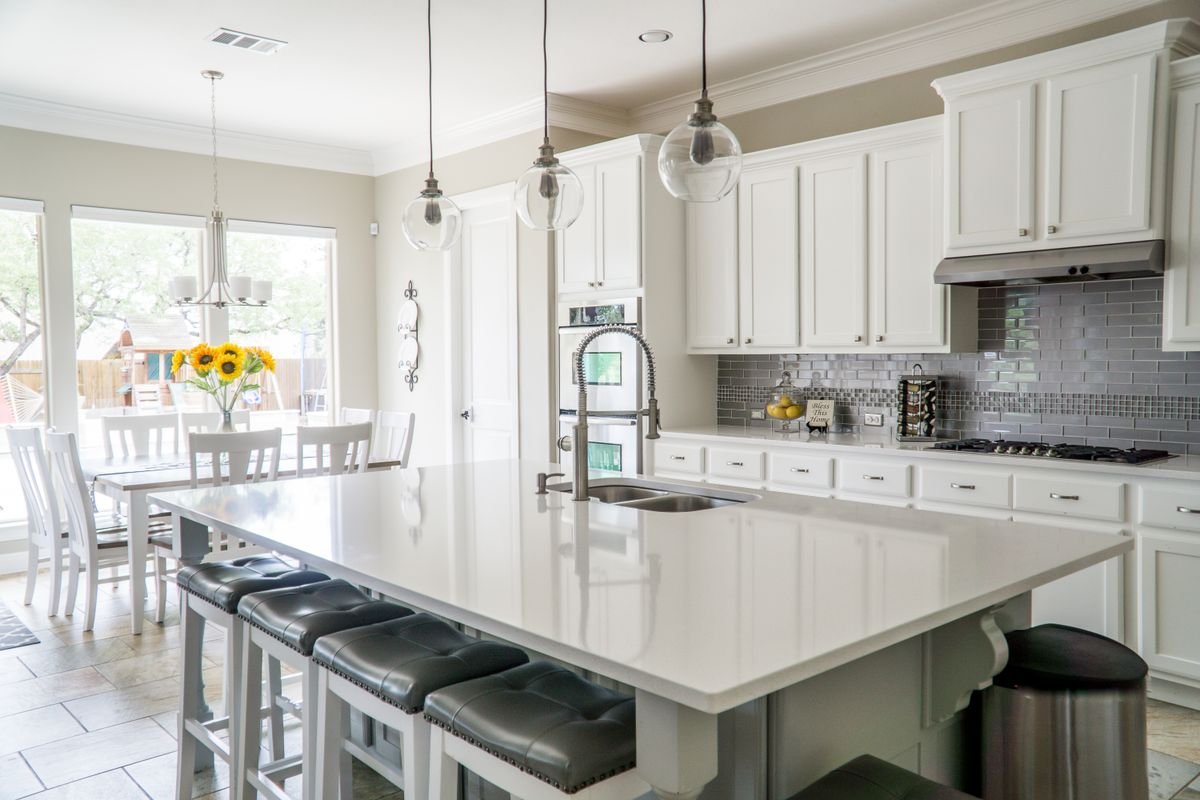
Big-slab sintered stone and quartz-look tops are popular because joints are fewer and patterns can run continuous across an island. Still ask about heat tolerance, cutting boards, and chemical cleaners. Trivets remain sensible even when marketing says “tough.” Edge profiles change how chips show after years of grocery bags. Overhangs need support details that fabricators should draw, not gesticulate.
When you want a product education page focused on countertop formats, review this sintered stone countertop overview and list sample questions for the fabricator: seam placement, sink cut-outs, and lead times. Bring a photo of your current kitchen mess, not only the Pinterest board. Mess predicts which finish will age kindly. Ask whether samples match the production batch you will receive.
Eco-minded tile claims need evidence lines
Eco language on tile packaging can mean recycled content, longer product life, or lower transport impact. Ask for the specific claim and any third-party reference. A tile that lasts longer and needs fewer replacements can be the greener choice even if the box is quiet about buzzwords. Transport distance still matters for heavy materials.
Read notes on eco-friendly tile choices as a way to structure questions, then verify details with the supplier for the exact SKU you will lay. Compare that SKU with cleaning chemicals you already use at home. A finish that only survives specialty cleaners will frustrate a busy household. Keep the technical sheet beside the invoice so claims stay attached to the batch.
Educational walk-through of countertop material trade-offs for home renovators.
Floor and wall catalogues: match rooms to ratings
Floor tiles in wet zones need different slip and wear priorities than a feature wall in a dry living room. Wall tiles behind a hob face grease and heat. Ask for PEI or local wear ratings where provided, and confirm grout colour against dirt you actually track indoors. Dark grout can hide stains but shows haze differently under LED strips.
A catalogue home such as a floor and wall tile catalogue home is useful for browsing formats before you visit a showroom with measurements. Take room dimensions, door swing clearances, and photos of adjoining floors so transitions do not become an afterthought. Sample boards under your home lighting beat phone photos of showroom LEDs. Mark north walls so you remember which samples saw morning sun.
Order samples before you order cubic metres
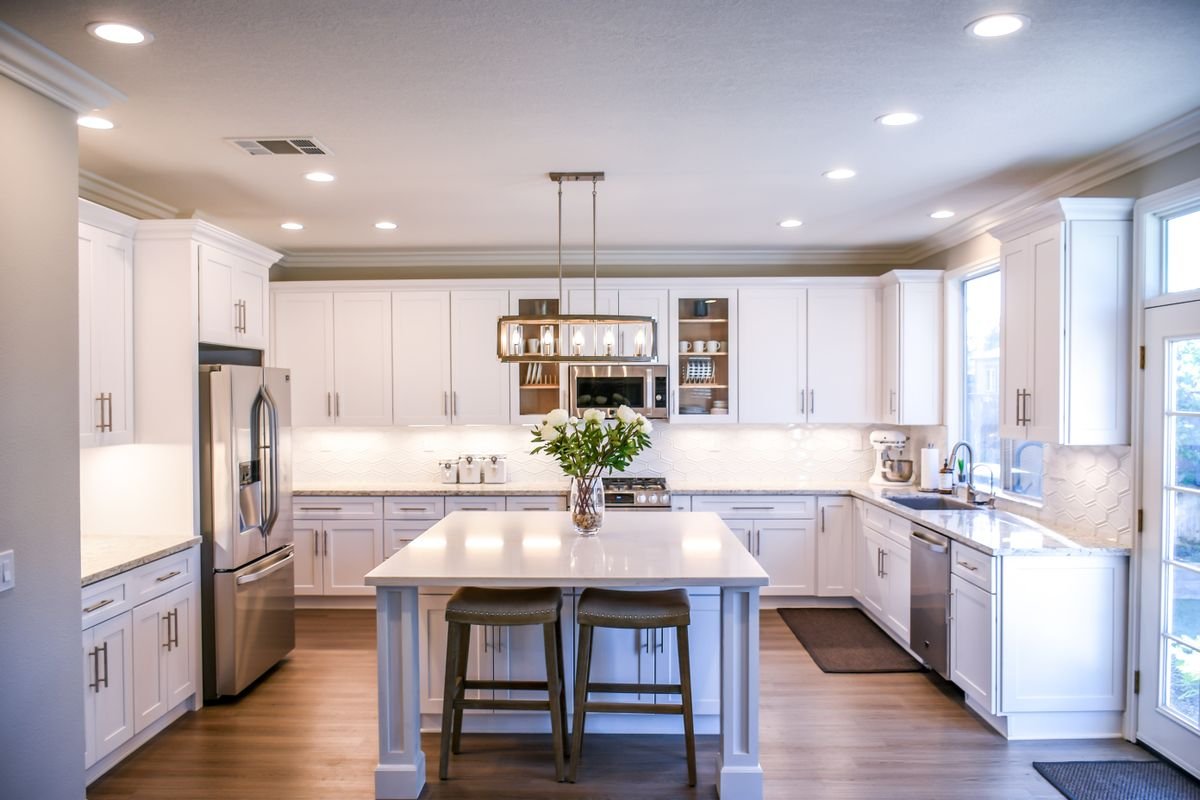
Bring samples home for three days of ordinary light. Wet the floor sample and walk on it in socks. Wipe oil on the countertop sample with the cleaner you already own. Confirm lead times and breakage allowances in writing. Schedule the tiler only after the slab template is approved. A calmer renovation is usually the one where surfaces were tested against your real habits, not only against a catalogue glow.